Definition
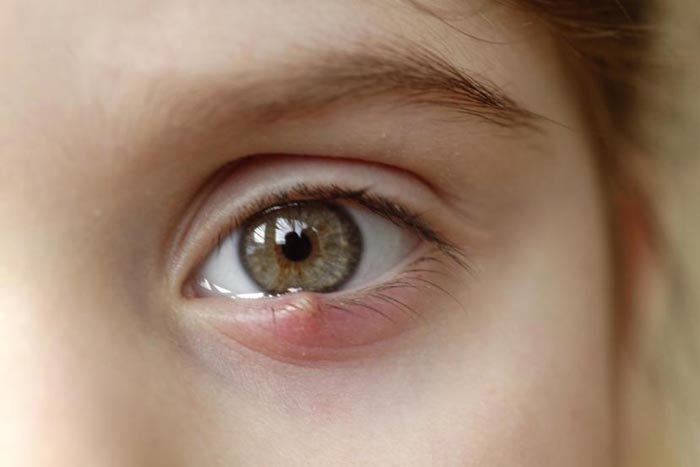
A stye is also called as hordeolum. It, also spelled “sty”, develops when a gland at the edge of the eyelid becomes infected. Resembling a pimple on the eyelid, a stye can grow on the inside or outside of the lid. Styes are generally caused by a Staphylococcus bacteria infection and are particularly common in infants, though people of any age may experience them. They are commonly associated with stress, probably because people under stress tend to get less sleep and therefore rub their eyes more often, thus transporting the bacteria into the eye. A sty also may arise from an infected hair follicle at the base of an eyelash. The bacterium Staphylococcus aureus is responsible for 90-95% of cases of styes. A stye can develop as a complication of blepharitis. Styes that appear on the eyelid are usually deeper, more painful and last longer than those appearing on the eyelash. To prevent a stye in the eye; always washing hands before touching the eyes and keeping good eye hygiene, especially for contact users.
Causes
- Styes are usually caused by obstructed orifices of the oil glands in the eyelid. Very frequently, they are infected by bacteria, most commonly staphylococcal bacteria.
- Stye may be caused by improper or incomplete removal of eye makeup.
- Use of outdated or infected cosmetics may also be the cause.
- Inflammatory diseases of the eyelid, such as blepharitis, meibomitis, and rosacea may also lead to cause this problem.
- Stress & Hormonal changes may also cause the oil glands in the eyelid to be obstructed as more or less oil flow. This may again lead to stye.
Symptoms
- A stye initially brings pain, redness, tenderness and swelling in the area, and then a small pimple appears.
- Sometimes just the immediate area is swollen; other times the entire eyelid swells.
- You may notice frequent watering in the affected eye, a feeling like something is in the eye or increased light sensitivity.
- Symptoms can include swelling, discomfort during blinking of the eye, watering of the eye, and sensitivity to light.
- Crusting of the eyelid margins.
- Blurred vision may also be the cause.
- Mucous discharge in the eye.
Diagnostic Studies And Procedures
Most sties can be diagnosed on the basis of their symptoms and appearance. In unusual cases, a doctor may order a laboratory culture of discharge from the stye to identify the infecting organism and prescribe an antibiotic.
Treatment to treat eye stye
- Place a handful of fresh parsley in a soup bowl. Pour a cup of boiling water over the parsley and let it steep for 10 minutes. Soak a clean washcloth in the hot parsley water, lie down, put the cloth on your closed lids and relax for 15 minutes. Repeat the procedure before bedtime. Parsley water is also good for eliminating puffiness around the eyes.
- Boil a teaspoon of coriander seeds with a cupful of water for a while, like an herbal tea preparation. Use this to wash the eyes 3-4 times a day.
- Make paste with potato, spread it on a cloth and apply it externally on inflamed eyes to reduce swelling.
- Application of prescribed antibiotic drops may also be used to help fight the infection.
- Surgical drainage of the stye may also be necessary if the stye is not responding to treatment.
Self Treatment
See a doctor if a stye does not important after two days of treatment with warm compresses or if several sties develop simultaneously or recur in rapid succession. Don’t try to open a stye your self. Squeezing or pressing it can spree free the infection and make it worse. Always wash your hands with soap and water before and after touching a stye, and water boiled water and sterile gauze or cloth for compresses. After a stye has come to a head and burst, you can help release the pus by gently easing the tip of the involved eyelash out of the infected area. Use a dilute solution of baby shampoo to bathe the eyelid and remove pus and any crusts that may have formed around the stye. Afterward, wash your hands again, and apply a thin layer of an antibacterial ointment. To help prevent sties, avoid dust and other substances that can irritate the eye. If you work in an environment with irritants, were sure to wear protective goggles at all times. If you wear removable contact lenses:’ be sure to clean and disinfect them daily. Never put a lens in your mouth to moisten it before putting it into your eye, as this transports germs from the mouth into the eye. Mascara and other eye cosmetics can also harbor bacteria replace them approximately every two: or three months, and never share these items with others.
References
- https://www.howtogetrid.org/health/how-to-get-rid-of-a-styes/
- https://www.aao.org/eye-health/diseases/chalazion-stye-treatment
- https://www.mayoclinic.org/diseases-conditions/sty/diagnosis-treatment/drc-20378022
- https://pedclerk.bsd.uchicago.edu/page/hordeolum-stye-chalazion
- https://www.allaboutvision.com/conditions/how-to-get-rid-of-a-stye.htm